Field Hack: How to Build Successful Partnerships With Fishermen
2026-10-26


The Thelma Biotel Team
Three lessons for better research partnerships
For many fish tracking studies, finding the right animals can be just as challenging as tracking them. Fishermen can be invaluable partners, providing access to rare species and sharing decades of local knowledge.
But successful collaboration takes more than asking for fish.
Jimmy van Rijn, freshwater ecologist from Van Hall Larenstein University of Applied Sciences in the Netherlands, shares three lessons from years of working with fishermen.
Field Hack: Build Relationships Before You Need Fish
“The main thing […] is to build a relationship with them,” says Jimmy. “Not just a working relationship.”
His key advice? Treat fishermen as research partners, not simply as a source of study animals. Invest time in understanding their work, valuing their expertise, and building mutual trust long before your next tagging campaign.
Benefit ✅
Build reliable access to study animals, gain valuable local ecological knowledge, and establish partnerships that support research over multiple field seasons.
Challenge ⚠️
Researchers and fishermen often work under different schedules, priorities, and financial constraints. Building mutual understanding takes time and consistent communication.
How to Build Successful Partnerships
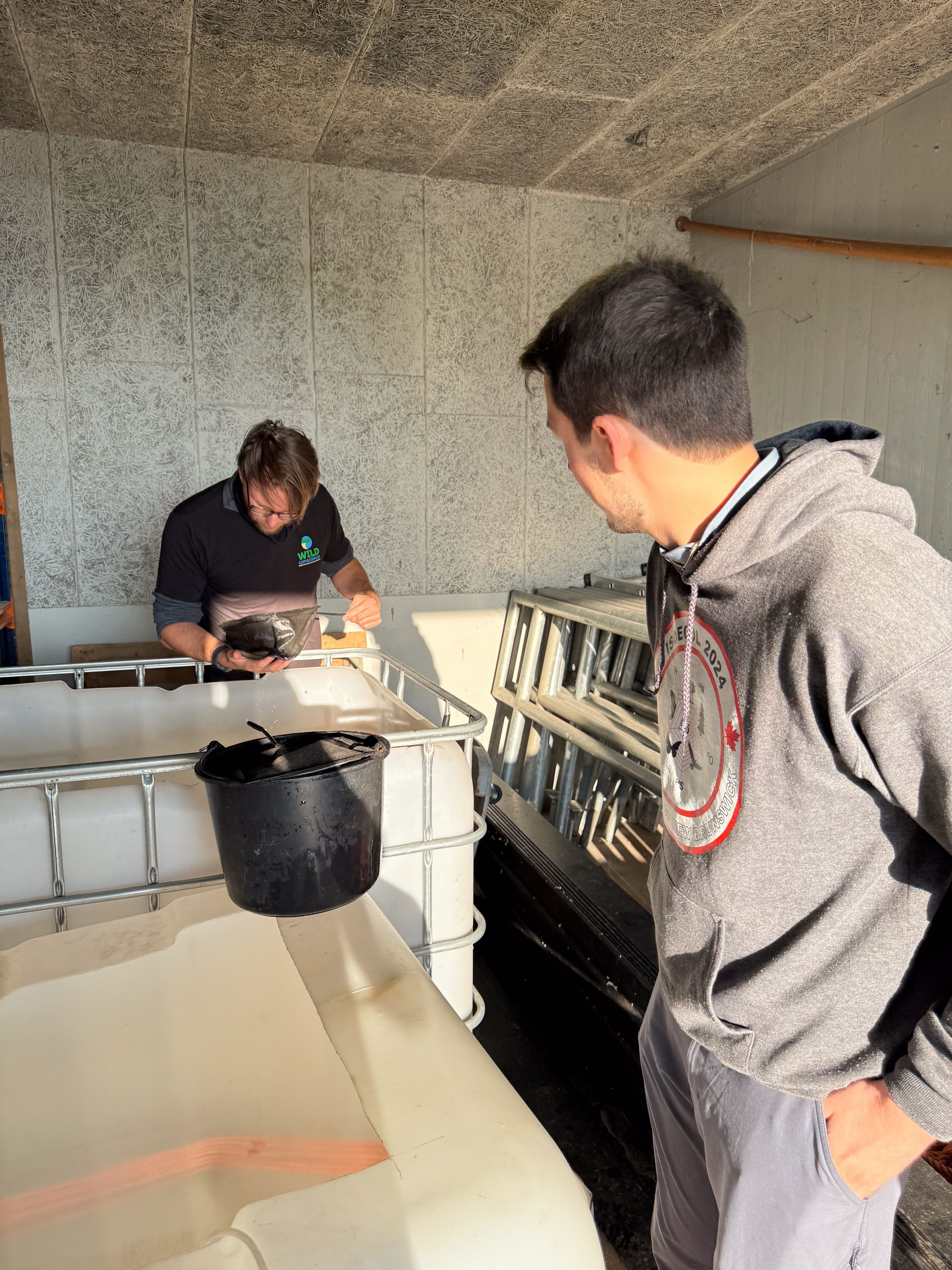
1. Build relationships before asking for help
Take the time to get to know the fishermen working in your study area. Showing genuine interest in their work establishes trust and can reveal valuable ecological insights.
- Understand their work: Learn about fishing methods, target species, seasonal patterns, and the challenges fishermen face.
- Value their knowledge: Years of experience on the water can provide insights into fish behaviour, migration patterns, and local environmental conditions.
- Invest in personal connections: Regular conversations and genuine interest help establish relationships that extend beyond individual research projects.
2. Make collaboration practical for both sides
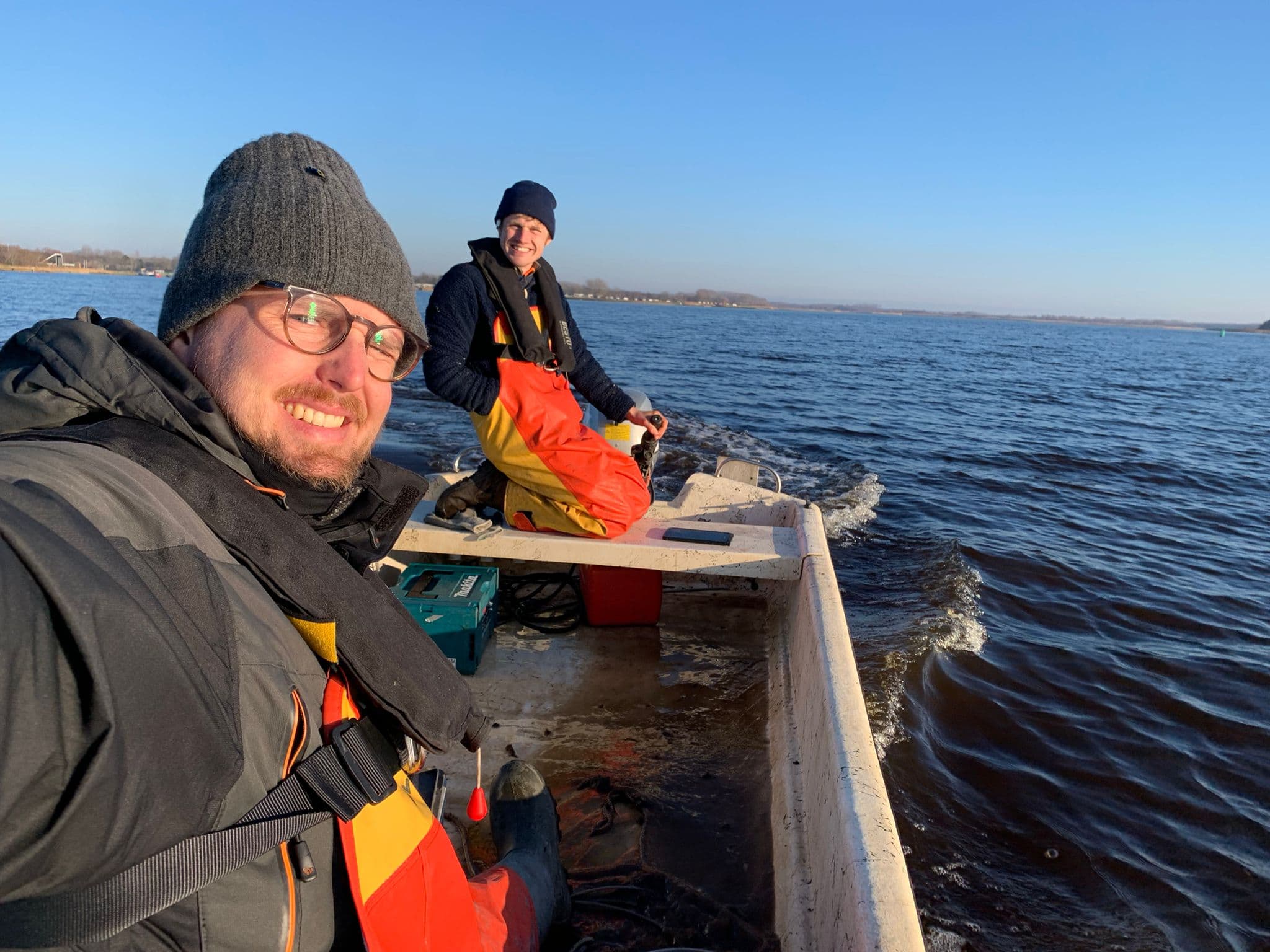
Collecting, holding, or transporting study animals can create additional work for fishermen. Design your research workflow around their existing routines wherever possible.
“I try to place myself in their shoes, and then see from their perspective as well,” Jimmy explains.
- Communicate expectations clearly: Explain which species you need, how they should be handled, and when researchers can collect them.
- Minimise additional effort: Coordinate collection and delivery around fishing schedules rather than expecting fishermen to adapt entirely to your research.
- Create practical infrastructure: Jimmy’s team established a tagging station near their study site, allowing collaborating fishermen to deliver rare migratory fish directly to the researchers.
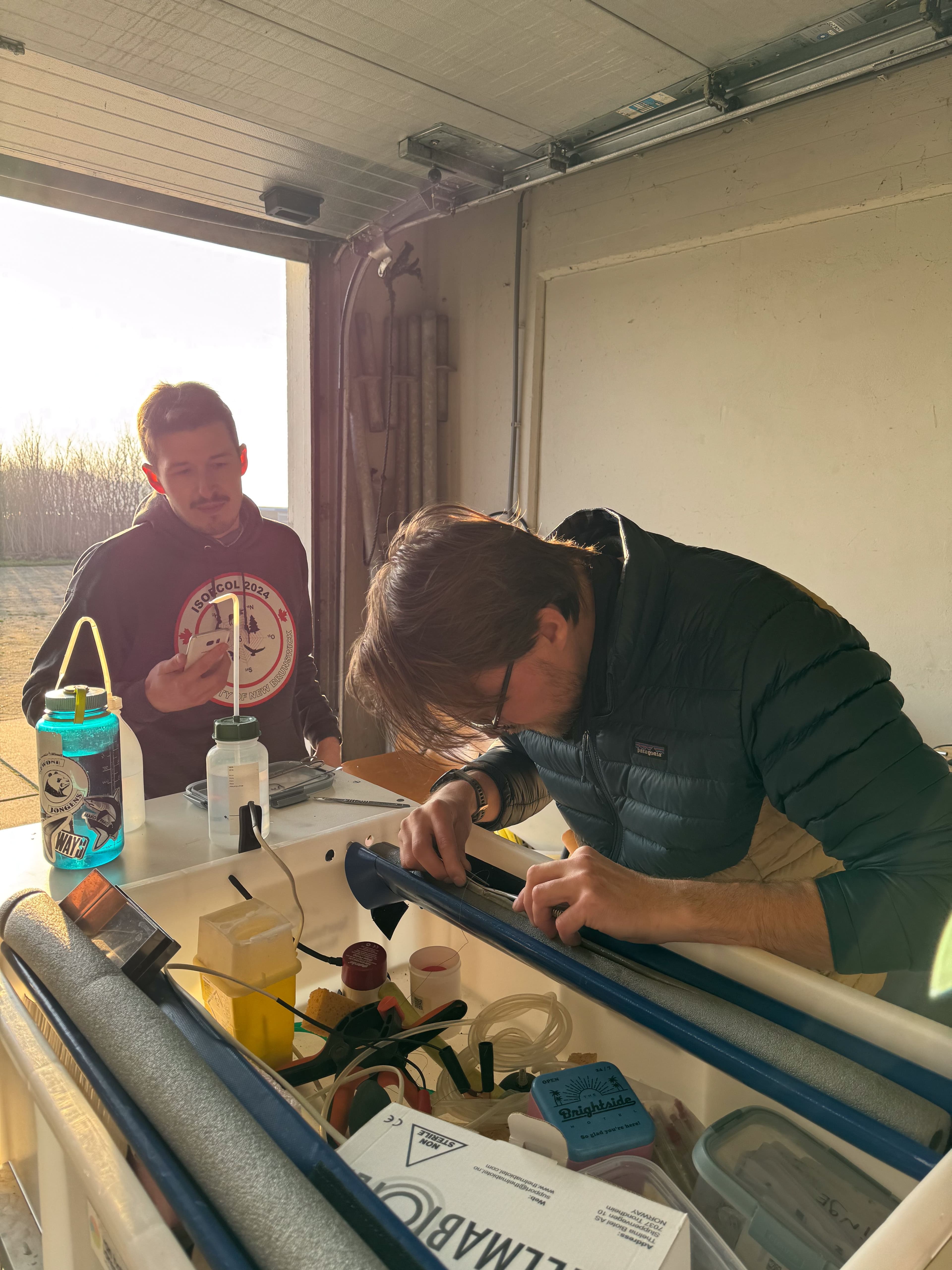
3. Build trust through transparency and mutual respect
Even successful partnerships encounter challenges. Addressing disagreements openly can strengthen relationships rather than undermine them.
Jimmy recalls a situation in which unexpectedly increased fishing fees created tension with a collaborating fisherman. Rather than allowing the disagreement to damage their relationship, they discussed the issue openly and found a way forward.
- Discuss expectations early: Be transparent about responsibilities, compensation, and practical limitations.
- Address problems directly: Honest conversations can resolve misunderstandings before they undermine a partnership.
- Recognise contributions: Treat fishermen as knowledgeable collaborators whose experience and involvement contribute directly to research success.
Jimmy also actively seeks fishermen’s input when interpreting his research findings.
“They are the experts on eel, at least from the perspective of capturing them,” he explains, describing how he asks fishermen about the factors influencing eel migration past obstacles.
Better Relationships, Better Research
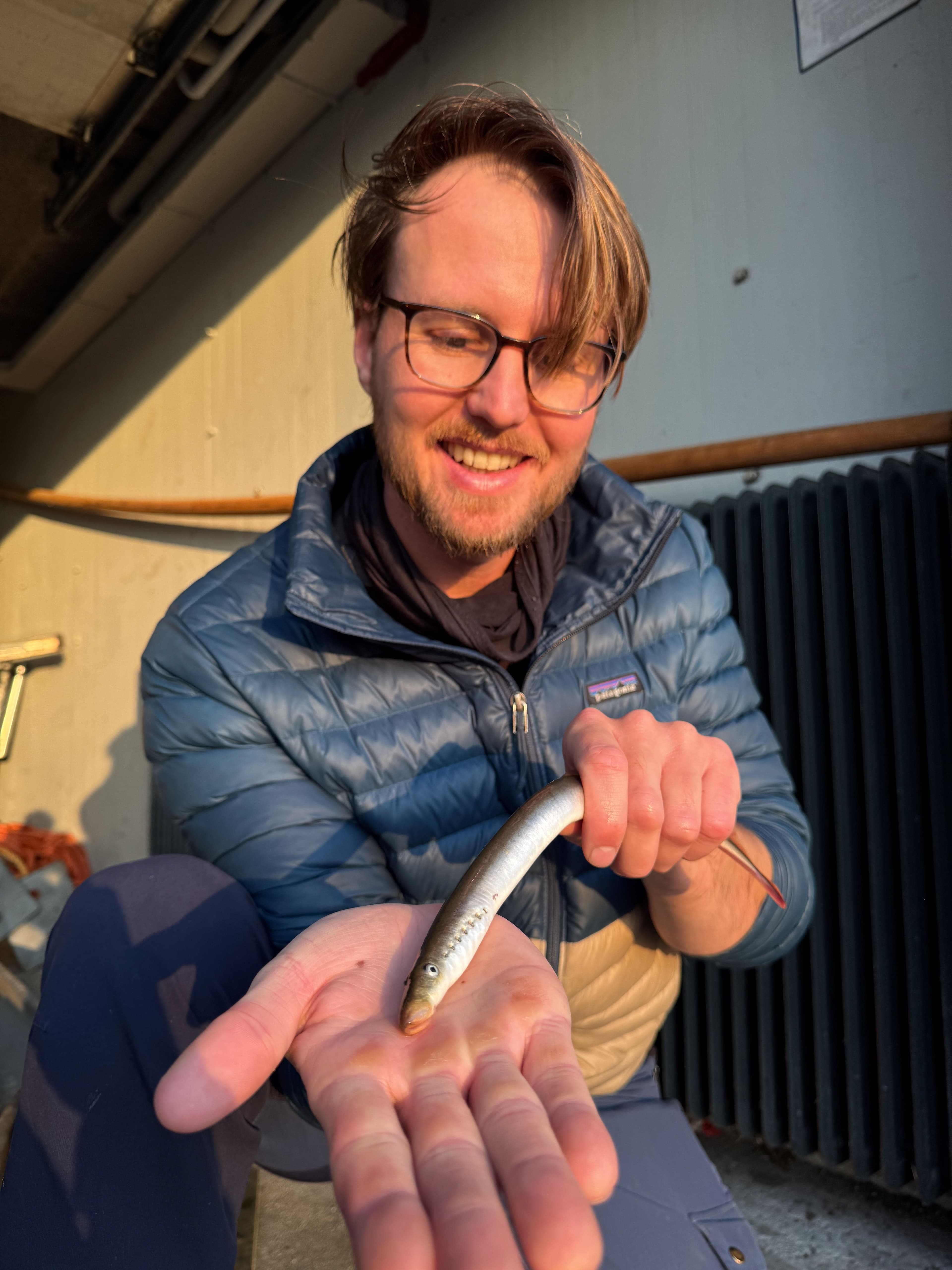
For Jimmy’s team, working closely with fishermen has created opportunities to study migratory species that would otherwise be difficult to encounter. Beyond access to fish, these partnerships bring together scientific methods and practical knowledge developed through years of working on the water.
The takeaway: Treat fishermen as research partners, not simply as a source of study animals.
The relationships you build before your first tagging campaign may become just as valuable as the data you collect.
Researcher
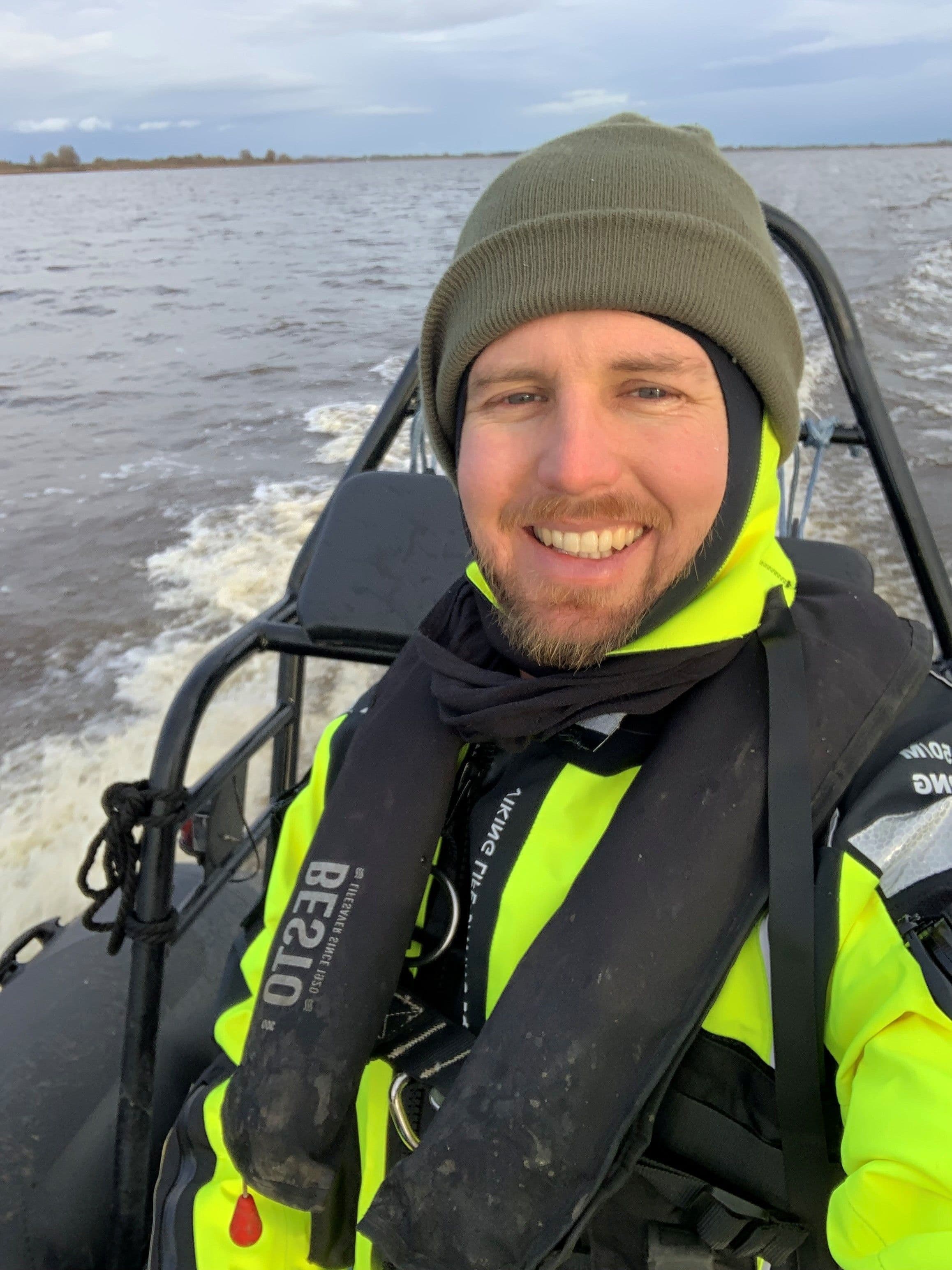
Jimmy van Rijn is a freshwater ecologist specialising in fish movement, restoration and connectivity in regulated river systems. He is part of a small freshwater team - alongside Jeroen Huisman and Joop van Eerbeek - within the Coastal & Marine Systems research group at Van Hall Larenstein University of Applied Sciences. Their work focuses on acoustic telemetry, behaviour around infrastructure, and understanding how fish respond to real-world water management conditions.
Connect with Jimmy on ResearchGate, LinkedIN, ORCID
Thelma Biotel’s Role
Acoustic tags Choosing the right tag is an important part of working with different species, sizes, and study objectives. Explore Thelma Biotel’s acoustic tags for fish movement and behaviour studies.
Acoustic receivers Once tagged fish are back in the river, receivers provide the other half of the picture - detecting their movements through migration routes, barriers, and study areas over time. Explore Thelma Biotel’s acoustic receivers.
Project Partners: Noorderzijlvest, Staatsbosbeheer, Province of Groningen, Waddenvereniging, Sportvisunie, Van Hall Larenstein University of Applied Sciences, Waddenfonds, Prolander, and Jimmy van Rijn.
Photo Credits: Dr. Twan Stoffers (@drtwanstoffers), R. V. Ben Emanuel (@rvbenemanuel), Tamme Smit (@tamme_smit), and Koen Moens.