The Lab at the River’s Edge
2026-09-24


The Thelma Biotel Team
How a converted sluice room transformed fish tagging in the Netherlands - and reshaped what field science can look like
estimated reading time ~12 minutes
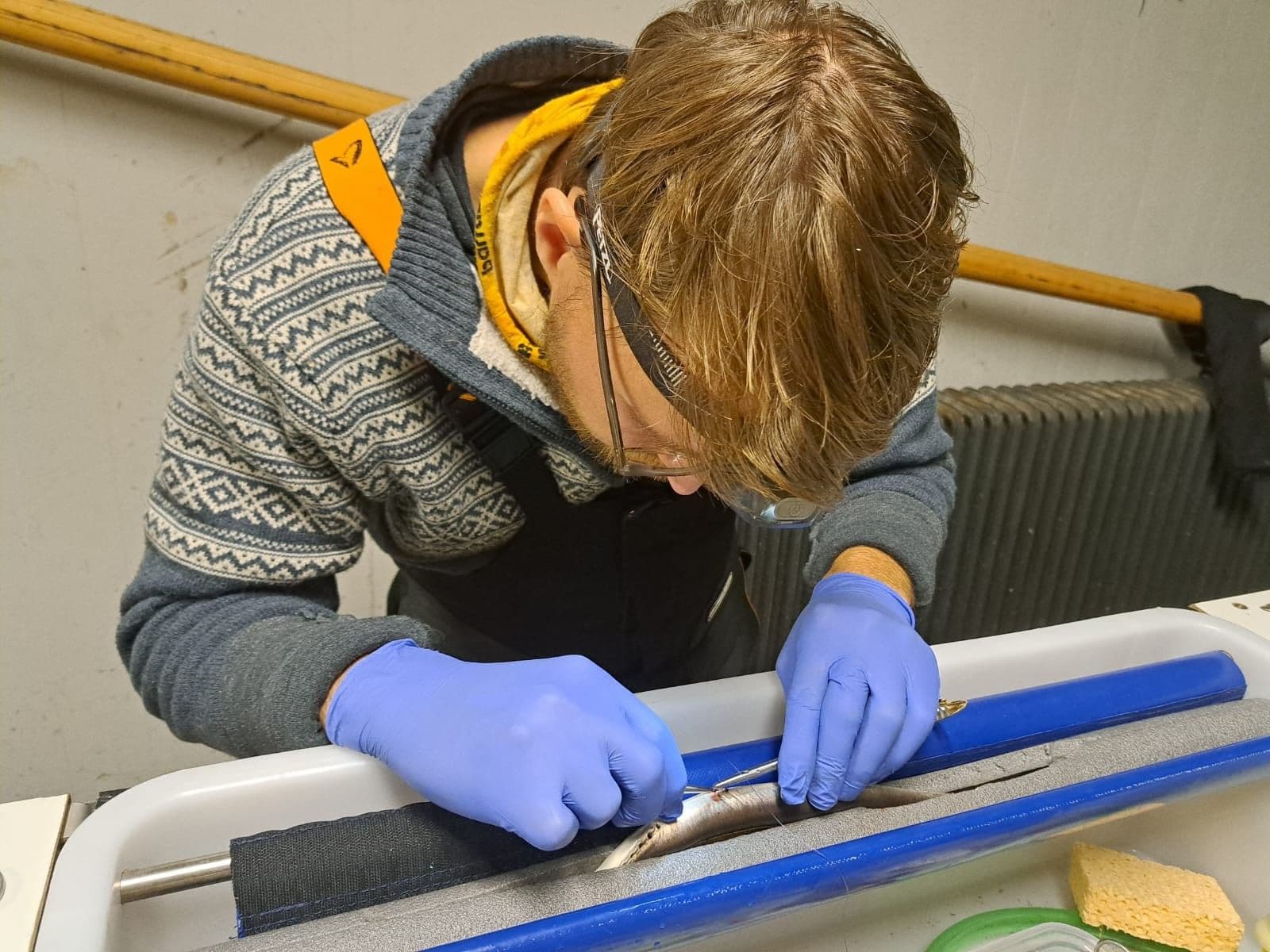
Jimmy van Rijn tagging a river lamprey in his field tagging lab to track its movements in managed waterways © Tamme Smit
The lights flicker on just after seven. The room is cool, even in summer. Tanks line the wall, filtered water moving quietly. Jimmy van Rijn steps inside and begins his morning routine. In one tank, a river lamprey rests near the bottom; in another, a sea trout glides just above the gravel. These are not common visitors. A few years ago, a scene like this would have been rare - almost unthinkable. Jimmy isn’t just a biologist. He’s been fishing since he was a kid, drawn to what lived beneath the surface, especially the strange and rare. That curiosity still drives his work today.
“Even if I wasn’t doing this professionally, I’d probably still be out here with a rod,” he says.
The lab itself sits inside a sluice complex, part of the very infrastructure that restricts the movement of migratory species in Dutch rivers. It’s a quiet contradiction. In this room, fish are tagged and released as part of long-term studies tracking survival, migration, and return. But the lab wasn’t always here. Before it existed, everything depended on timing. Sometimes Jimmy’s team caught fish themselves. Other times they relied on calls from local fishermen. More often, nothing appeared at all.
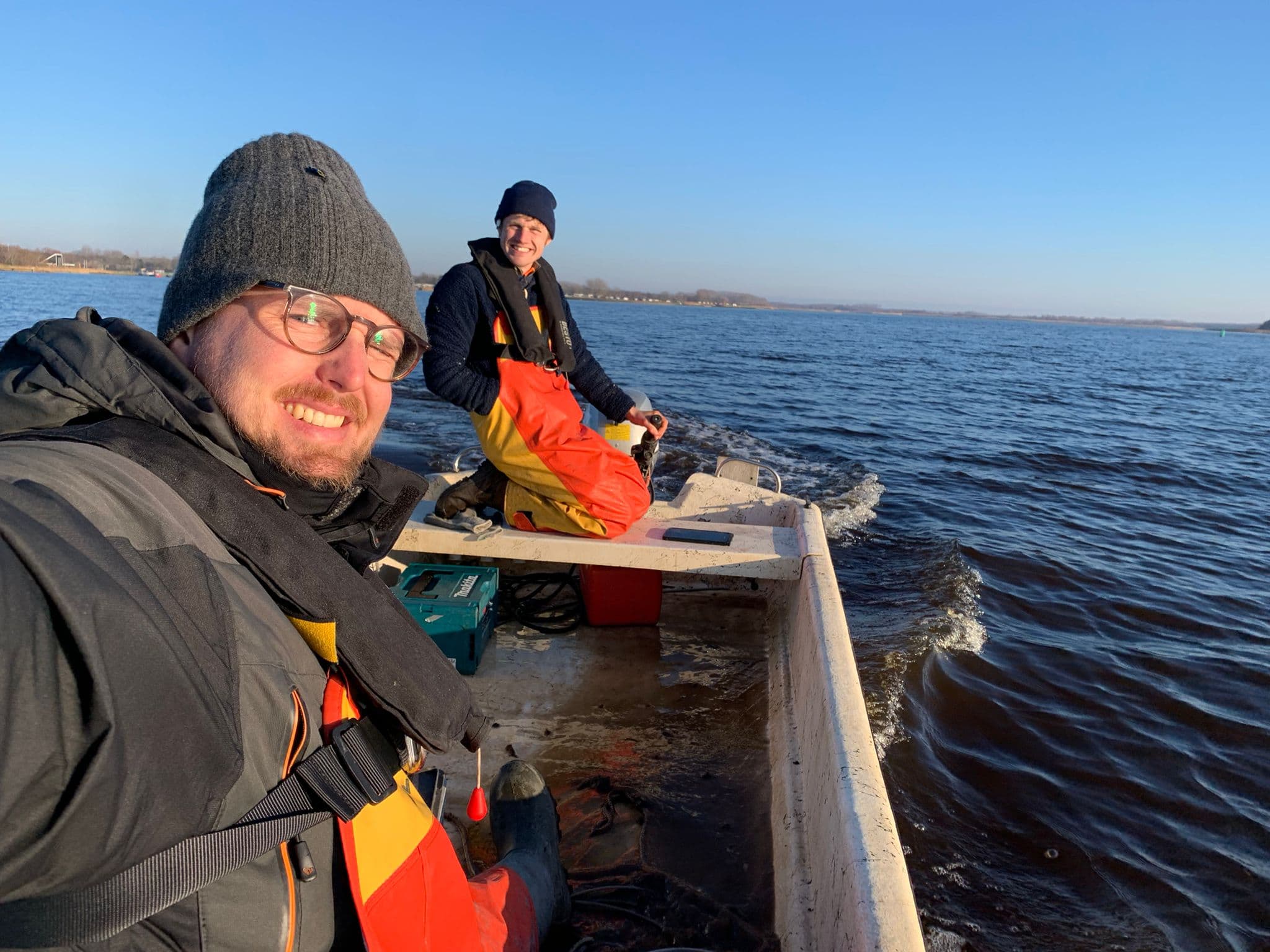
Field researchers spending days and weeks searching, catching and tagging rare species. © Koen Moens
“Of some species, we’d catch maybe one fish every other season,” Jimmy says. “You’d get a call from a fisherman saying they’d caught one, but you’d be in the wrong place at the wrong time. Other times, the weather kept you from reaching the rare catch in time to tag it. Or they’d have to leave, and you’d miss your chance.”
Even when conditions lined up, the tagging setup was rarely nearby. They had to act quickly,
transporting live fish to distant facilities and rushing to prepare equipment in unpredictable weather. Every added hour increased stress, especially for sensitive species. Recovery was uncertain, and missed chances were common. The idea of building a field lab wasn’t to eliminate unpredictability. It was to reduce its control over the work, to bring tagging closer to the water and into rhythm with the people who knew it best. That was the starting point.
When the Fish Are Already There
At first, Jimmy thought about using a container, something temporary that could sit near the water and make the tagging process easier. But it was hard to find the right space, and approvals were slow. Then he found a garage-style room inside one of the sluices themselves, provided by the Provincie Groningen. It was quiet, dry, and right at the water’s edge. Once a part of the barrier, it could now become part of the solution.
He installed water tanks, set up filtration and oxygenation, and brought in the core tagging
equipment. Then he gave the local fishermen the code.
“If they caught something, they could just put the fish in the tank,” he explains. “Safe
water, oxygen, calm conditions.”
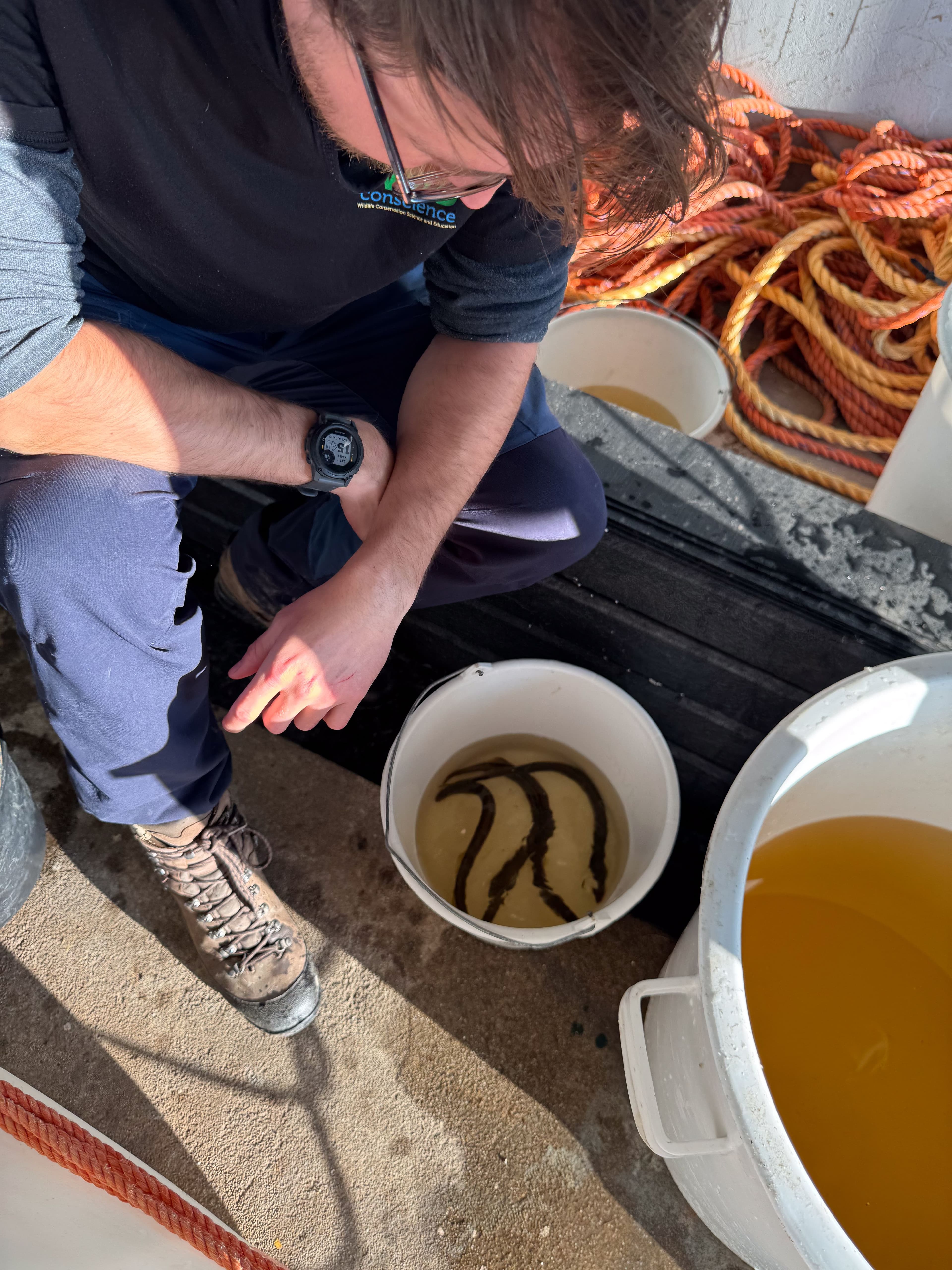
Jimmy van Rijn inspects rare river lampreys which fishermen had caught the days prior and stocked into the water tanks of the tagging lab. © Twan Stoffers
He left it running and stepped away. When he came back, the tanks weren’t empty. Lampreys were there. Sea trout. Not just fish, the same rare species that had taken seasons of effort to reach.
“The moment I saw them there, waiting, I realised we had something new,” Jimmy
Says. He had known many of the fishermen for years. Being a fisherman himself helped build that trust. “They know I care about the fish,” he says.
Now, that trust had somewhere to land. The tagging process became calmer not because the work had changed, but because the conditions had. The tanks stayed ready. The equipment stayed clean. Fish could be tagged within hours of arrival, without rushing. The lab didn’t solve everything. But it made something new possible.
Expert Benefits from a Permanent Tagging Station
The garage-space lab wasn’t built to be high-tech. It was built to be close. That proximity changed everything — not just for logistics, but for animal care, tagging precision, and data quality. With the setup always running, Jimmy and his team could shift from reacting to conditions to shaping them.
“You’re not fighting the weather anymore. You’re focused on the fish,” Jimmy says.
1. Animal Welfare and Tagging Precision
Bringing tagging procedures into a stable, purpose-fit space had an immediate impact on fish wellbeing and surgical consistency. Jimmy has tracked those changes closely - and says they’re hard to ignore.
“You see it in the fish,” he explains. “They’re calmer. The surgeries go smoother. Recovery is faster.”
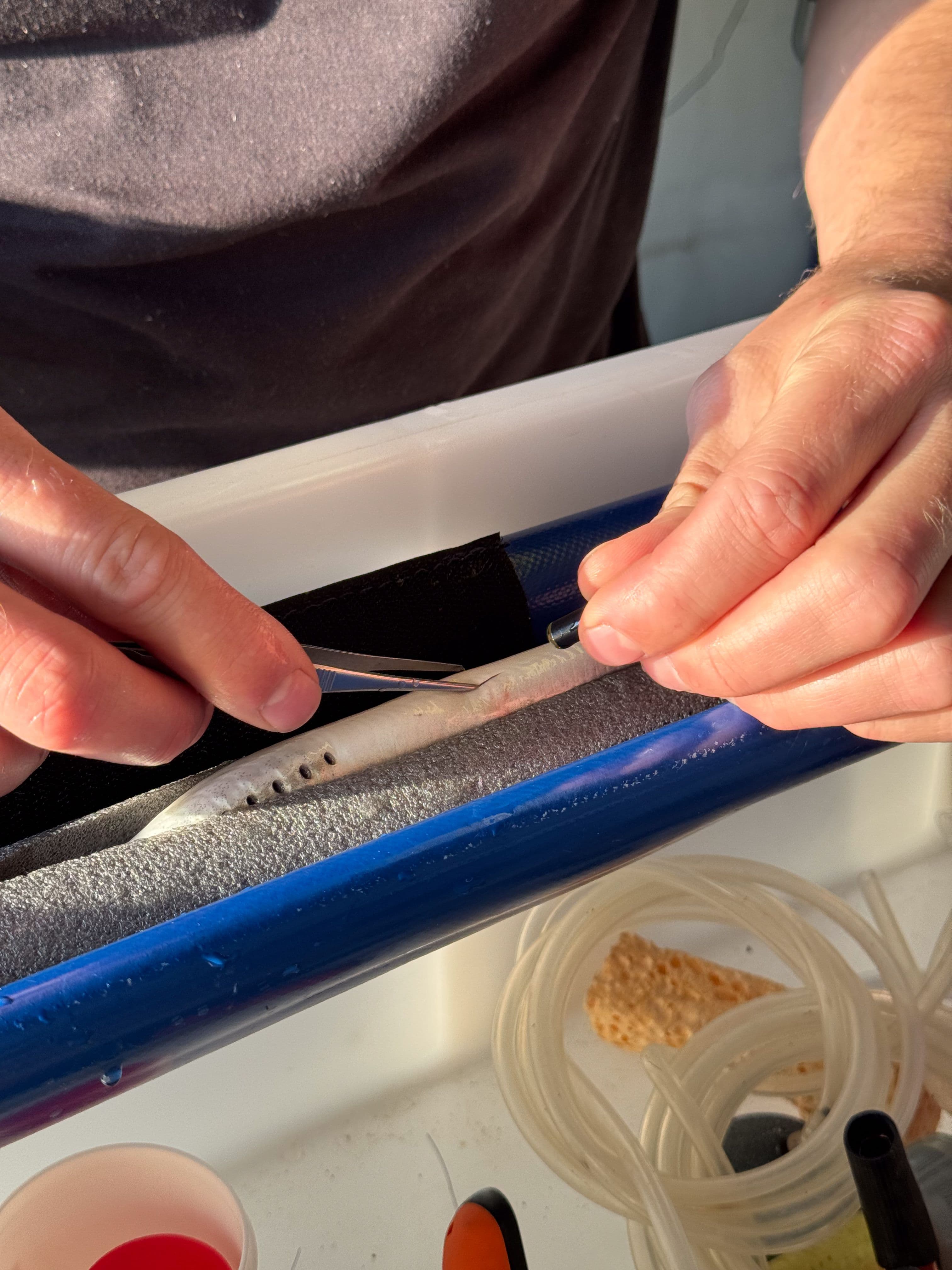
A river lamprey being tagged internally with a Thelma Biotel acoustic tag. The makeshift tagging lab allows for controlled surgery and improved welfare. © Twan Stoffers
Here are the most critical gains:
- Far less logistical effortThe station stays set up throughout the tagging season, so taggers only need to bring a laptop. No endless packing lists, hauling equipment into the field, or risk of leaving behind something vital. That saves time and makes the process more relaxed for both fish and tagger.
- Easier access for fishersBecause the station is always accessible, fishers are much more likely to make the extra effort to bring in rare catches for tagging. That means fewer missed opportunities, especially for species that may only turn up once every few seasons.
- Reduced physical handlingWith no transport needed, fish aren’t moved between containers or facilities. Fewer transfers mean less stress and injury risk.
- Improved tag retentionTagging in controlled conditions reduces incision movement and allows for more precise placement - especially important for elongated tags used on small fish like sticklebacks.
- Immediate post-op recoveryOnce tagged, fish recover in oxygen-rich tanks right next to the operating station. No need for mobile holding systems or rush release.
- Less procedural rushWithout the pressure of stormy weather or vanishing light, the team can follow ideal surgical pacing. This benefits both fish and field consistency.
2. Scientific Output and Operational Improvements
With the fish more stable, the science followed. What had once been a logistical scramble became a repeatable protocol - with better results across nearly every part of the tagging workflow.
“We tag more fish, more often. And the data we get is stronger,” Jimmy says.
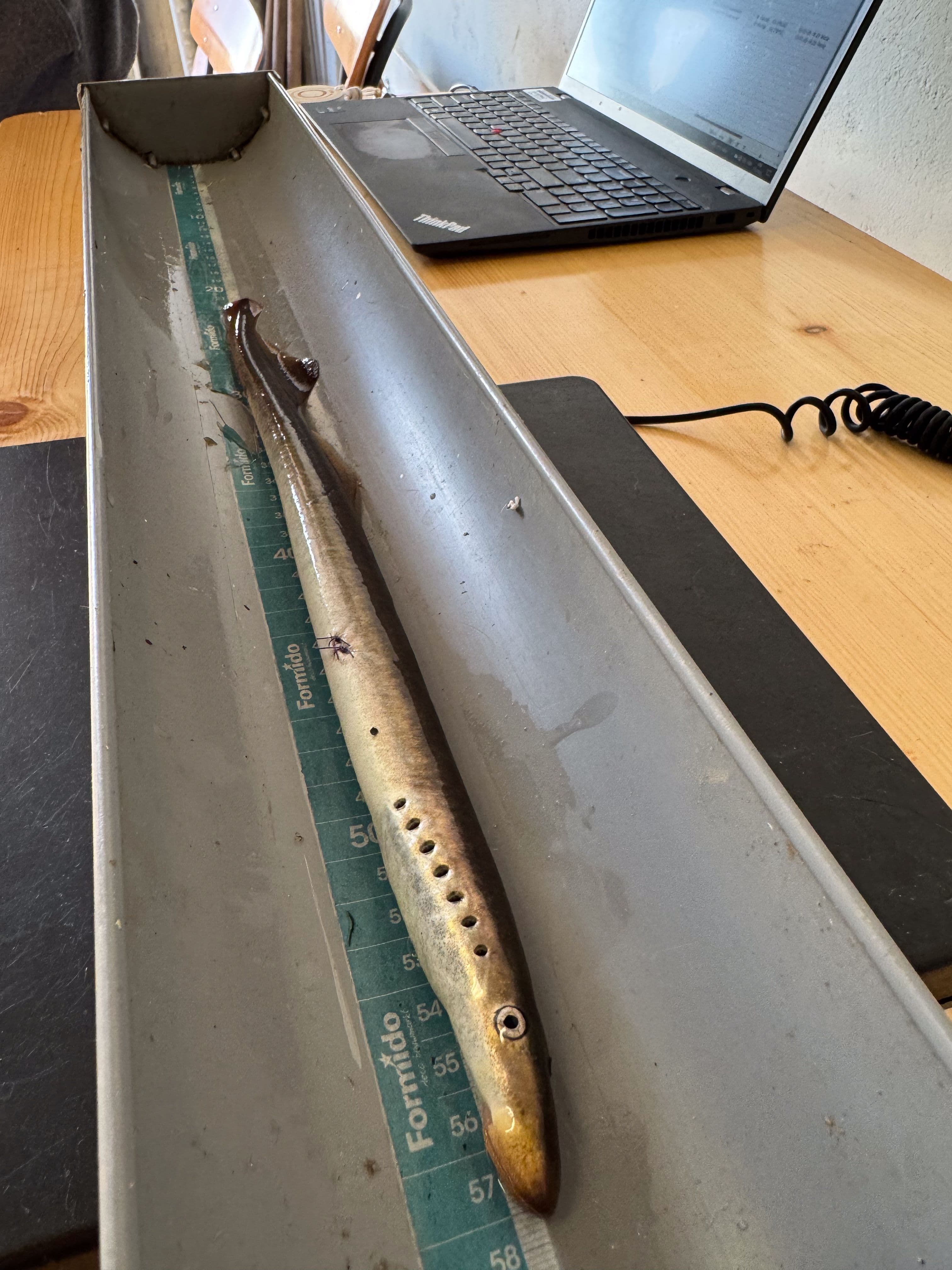
Successfully river lamprey post-surgery, ready to be released to collect movement information via its internal acoustic tag. © Twan Stoffers
Here’s what changed on the science side:
- Increased tagging frequencyWhen fish are dropped off or caught nearby, the team can act immediately. No more missing narrow windows of opportunity.
- Higher survival and return ratesTagging under stress-free conditions improves post-release behavior — which in turn increases the odds of long-range movement and detection.
- More reliable long-term signalsHealthy fish produce better movement data. Early tags have already shown signs of sea return and potential re-entry the following year.
- Improved student and stakeholder involvementBecause the lab is fixed and repeatable, it supports field-based learning. Students can follow full procedures. Stakeholders can visit without disrupting the work.
- Less strain on the teamNo more overnight drives or cold-weather deployments. The result is more time for analysis, preparation, and reflection.
A Different Kind of Access
The permanent tagging station didn’t just improve logistics. It changed who could take part, how people saw the work, and how the research connected to the surrounding community. From fishermen to students to the sluice operators themselves, the lab has created space for a more open and human kind of science - one that is grounded in visibility, consistency, and trust.
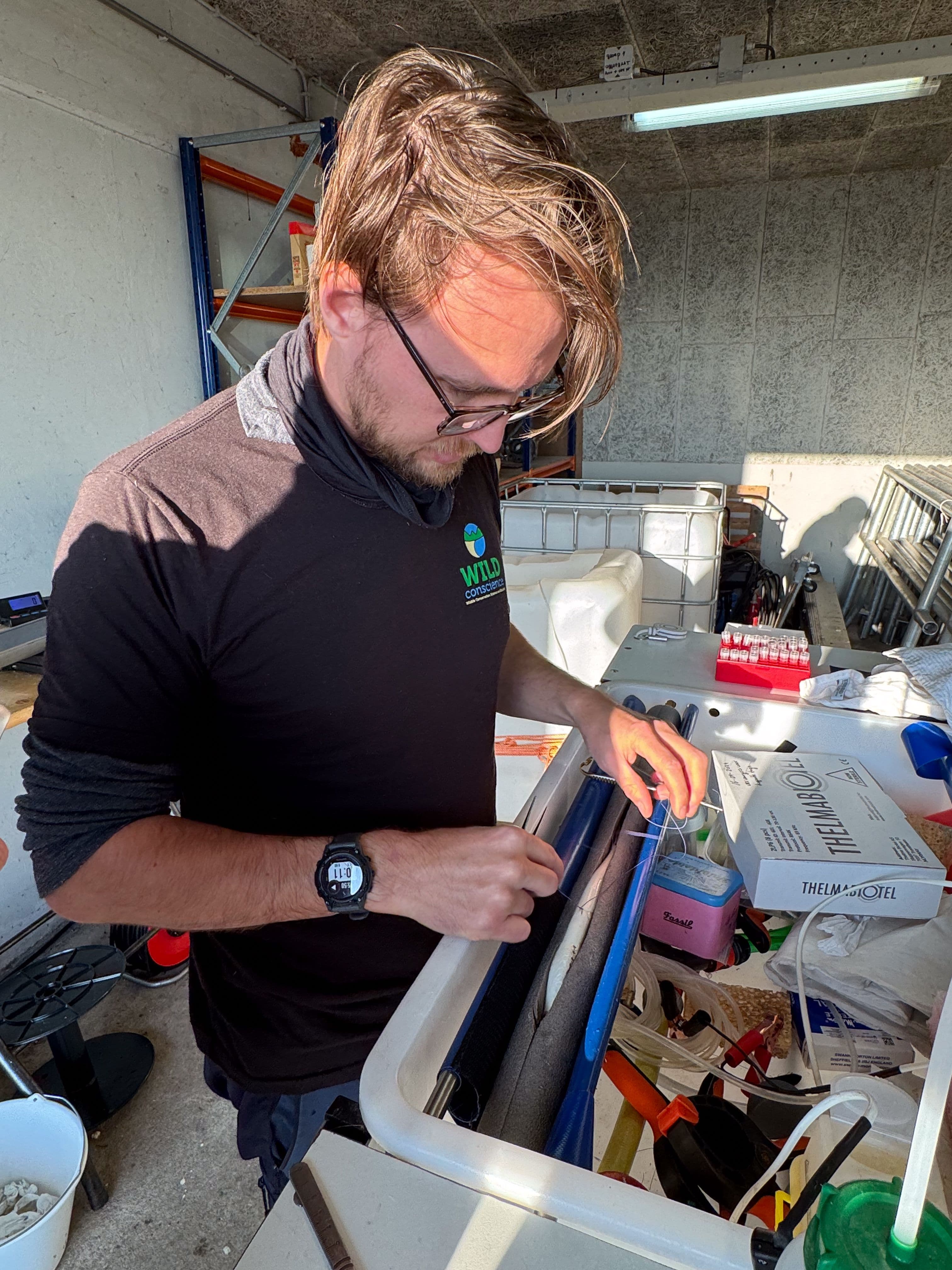
Successfully river lamprey post-surgery, ready to be released to collect movement information via its internal acoustic tag. © Twan Stoffers
1. Expanded Access Through Proximity
With the lab always running, people can contribute without syncing schedules, coordinating transport, or rushing to match field conditions. The setup is ready when the fish are ready. That simple shift removed a major bottleneck.
“You don’t have to force the work into one day anymore,” Jimmy says. “It can happen when it needs to.”
Key improvements:
- The lab supports activity when opportunity arises
- Tagging and drop-offs no longer depend on full-team alignment
- Conditions no longer dictate timing or pace
2. Closer Collaboration with Fishermen
Fishermen remain a crucial part of the workflow. Before, even when they caught something valuable, tagging could be delayed or missed. Now they can bring fish directly to the lab, where the team can act right away. It strengthens mutual respect and builds shared momentum.
“They know I care about the fish,” Jimmy says. “Not just for research, but because I’m one of them.”
Key improvements:
- Fish can be delivered with no waiting or rescheduling
- Fishermen are engaged without losing time or flexibility
- Trust builds through repeated, low-friction collaboration
3. More Learning for Students
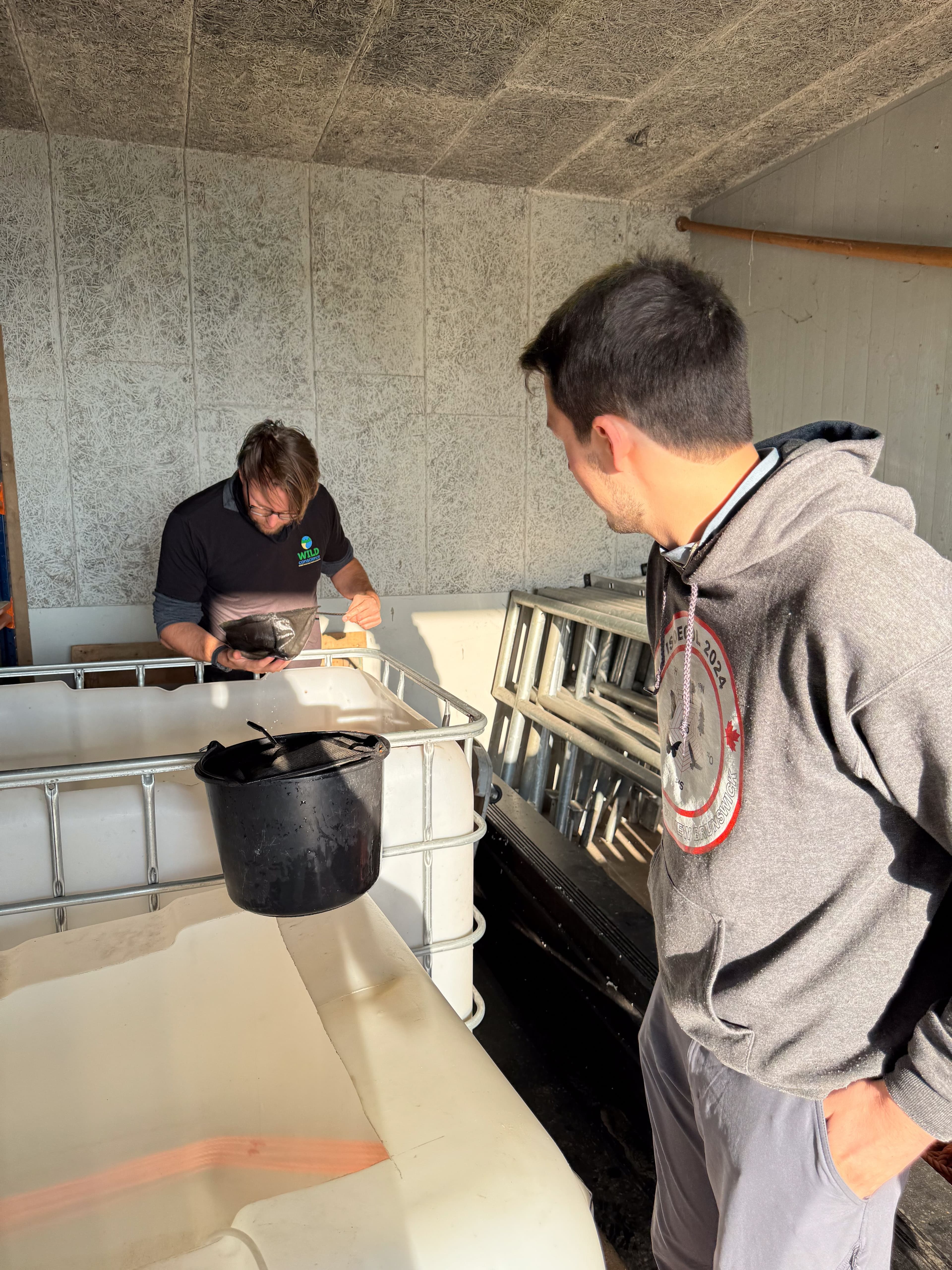
The fixed lab allows students to observe and participate in the full tagging process. They can learn at the pace of the procedure, with less noise, cold, or pressure. That environment supports real-time questions, hands-on learning, and deeper understanding of animal care.
“They can really see what’s happening,” Jimmy says. “You can take the time to explain.”
Key improvements:
- Field learning includes full tagging cycle
- Stable environment enables calm observation
- More time for questions and reflection
4. Visibility for Local Stakeholders
The lab does something else that matters. It makes the fish visible. For operators and maintenance staff at the sluice, species like river lamprey and sea trout were once abstract. Now, they are right there in the tanks. That visibility creates connection.
“It’s different when you actually see them,” Jimmy says. “You realise what’s moving through this system. What’s at stake.”
Key improvements:
- Fish become part of the environment, not just data
- Sluice staff gain direct insight into the river’s ecology
- Builds pride and awareness at the operational level
Can This Work Elsewhere?
The lab was not built as a blueprint. It was a practical solution to a local challenge. Jimmy needed to reduce transport, improve fish care, and act when conditions were right. By setting up a small lab near the sluice, he made it possible to work with rare species at the right moment, in the right place.
“It’s been a huge game changer. Hopefully, other researchers can replicate our model and improve their projects too,” Jimmy says.
The core idea is simple. Put the work where the fish are. Let the environment support the procedure instead of working against it. And keep the setup calm and consistent. What worked in this case might not apply everywhere, but the principles behind it can be adapted.
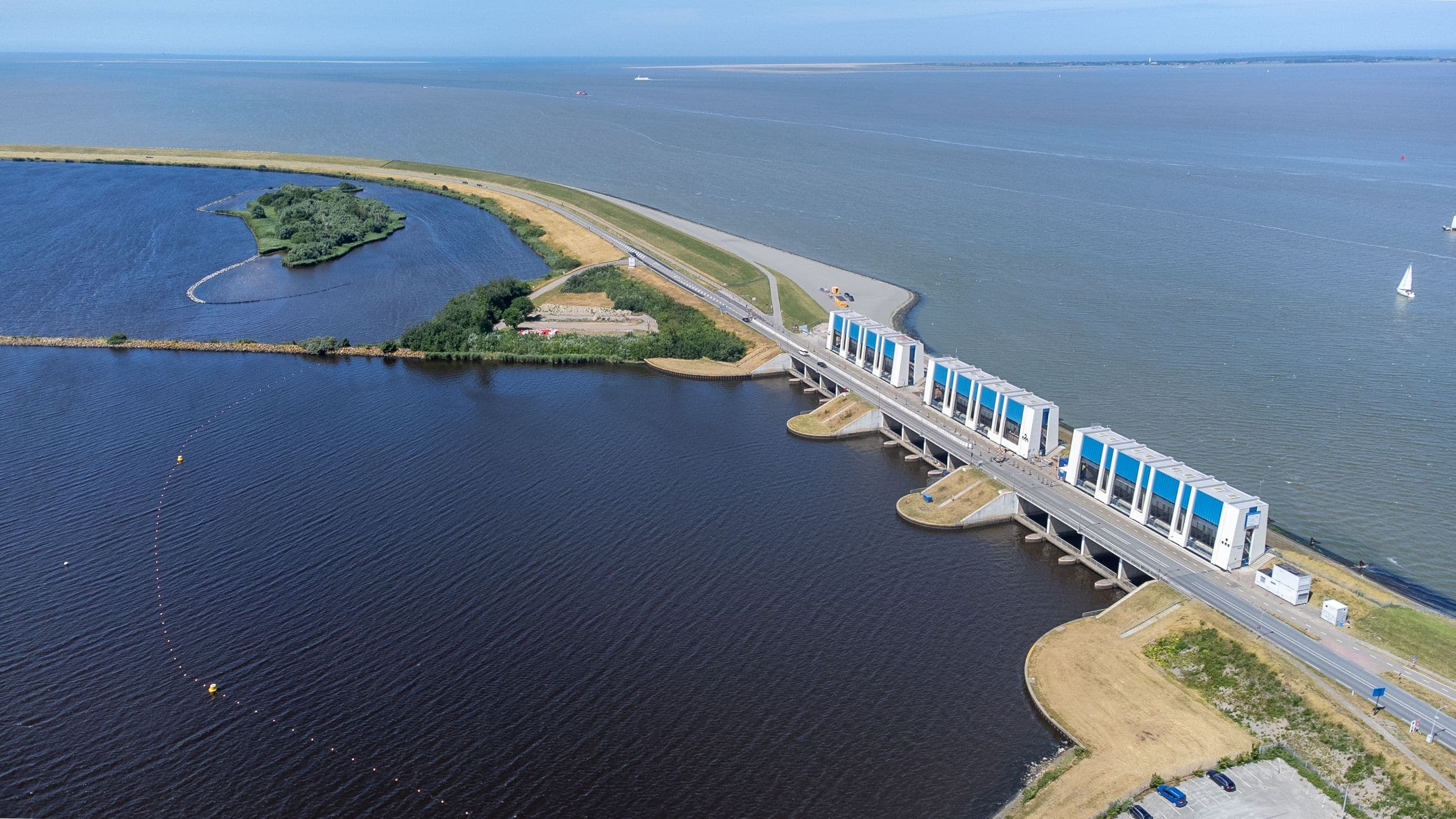
Location of Jimmy's and his colleagues tagging lab, inside of a sluice-adjacent room. © Ruben de Vries
Since then, the team has set up several less permanent labs based on the same idea: a dry room with power and storage, close to the fish. They now tag indoors whenever possible, often using spaces provided by local stakeholders. It cuts out much of the uncertainty of weather and field logistics, while keeping equipment safely on site.
How Can Researchers Replicate This Model?
Jimmy highlights the elements that made the setup successful in the Netherlands. These are not strict requirements, but they help reduce pressure and increase the chances of success.
Key enablers:
- A (permanent) space near a migration barrier or key fish passage site
- Reliable collaboration with local fishermen or fishers
- Access to water, electricity, and temperature control
- Species that do not require large numbers but rely on precise timing
- A workflow built around readiness, not rigid scheduling
This approach is not about building something large. It is about building something close. When science meets the river directly, the entire process becomes clearer, calmer, and more effective.
“If you can put something like this at a migration bottleneck, at the right moment and in the right location, you can make everything much easier. For the fish, for the people, and for the science.”
Full Circle
Before any of this, Jimmy van Rijn was just someone who loved fish. As a fisherman and scientist, his curiosity was simple. He wanted to know what happened after the fish disappeared from view.
“I’ve always wanted to know where they go, how they live, what happens after we lose sight of them,” he says.
The lab brought that curiosity closer to the water. It turned fieldwork into something calmer, more precise, and more connected. Not just for science, but for the people and species it depends on.
“If this helps others see what we’ve seen, then it’s worth it.”
Researcher
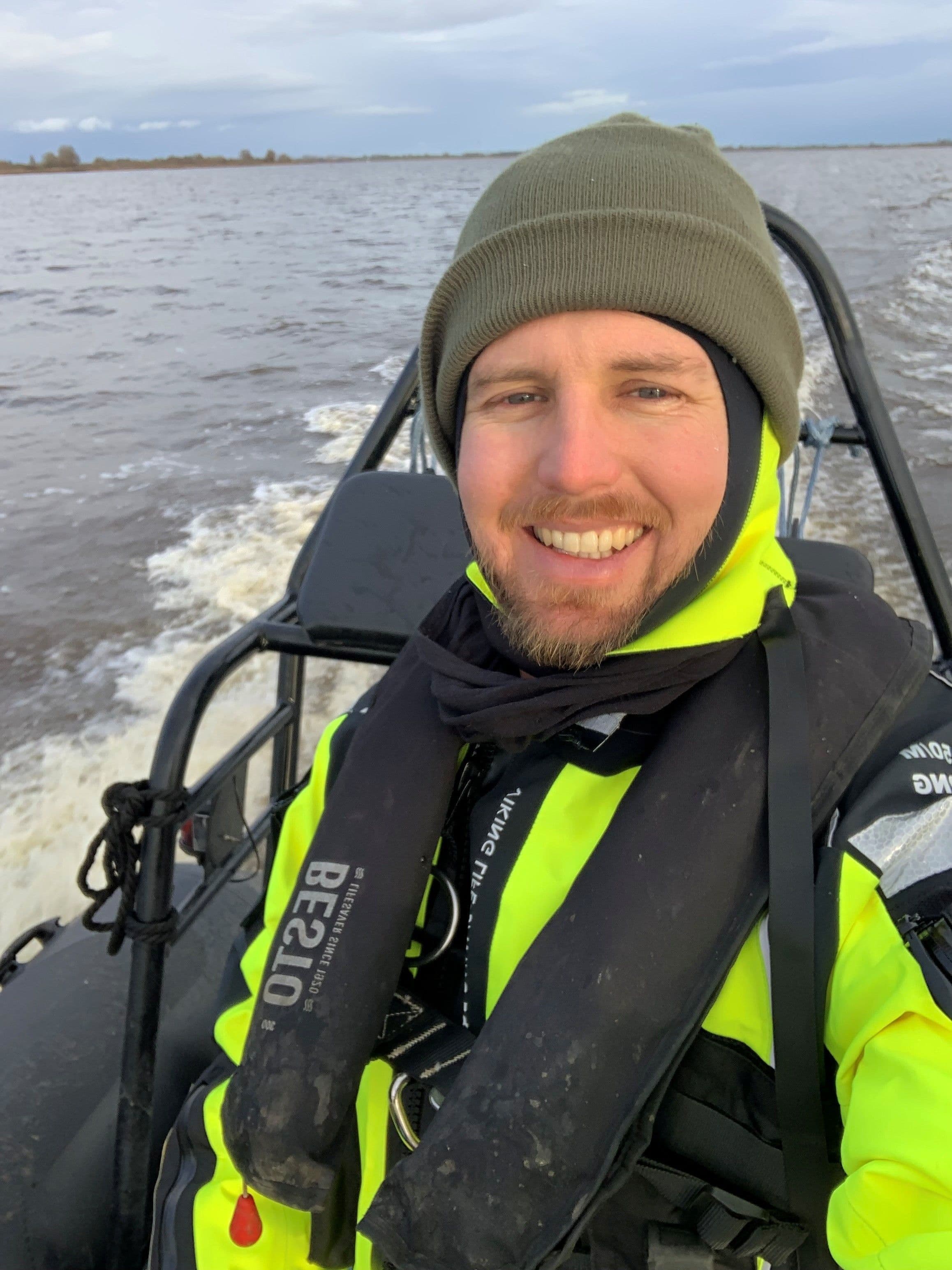
Jimmy van Rijn is a freshwater ecologist specialising in fish movement, restoration and connectivity in regulated river systems. He is part of a small freshwater team - alongside Jeroen Huisman and Joop van Eerbeek - within the Coastal & Marine Systems research group at Van Hall Larenstein University of Applied Sciences. Their work focuses on acoustic telemetry, behaviour around infrastructure, and understanding how fish respond to real-world water management conditions.
Connect with Jimmy on ResearchGate, LinkedIN, ORCID
Thelma Biotel’s Role
Acoustic tags Choosing the right tag is an important part of working with different species, sizes, and study objectives. Explore Thelma Biotel’s acoustic tags for fish movement and behaviour studies.
Acoustic receivers Once tagged fish are back in the river, receivers provide the other half of the picture - detecting their movements through migration routes, barriers, and study areas over time. Explore Thelma Biotel’s acoustic receivers.